
This week, after additional months of union advocacy at the Fair Work Commission (FWC), the FWC published the long-awaited Final Determination for the Health Professionals and Support Services (HPSS) Award for Allied Health Professionals, undertaken as part of the Priority Award Review. This decision settles a number of issues that were considered following earlier interim decisions.
Under the Final Determination, a number of measures, including reclassifications and pay rises, will be implemented to remedy historic gender undervaluation of AHPs. Put simply, health professionals in the private sector, who are paid minimum award rates, are set to receive significant pay increases (wage adjustments) over the next several years, which are in addition to the yearly increases following the annual minimum wage case. The pay rise applied will depend on a person’s current pay level.
The HPSS Award sets out the minimum rates of pay that apply, so no health professional in the private sector can be paid below these new rates from 1 October 2026 (including those employed under federal Union Agreements).
Minimum wage increases for AHPs covered under the HPSS Award (over the next several years): for occupations requiring a diploma-level qualification (e.g. biomedical technologists) rates of pay should increase by an average of 5.5% for occupations requiring a bachelor degree-level qualification (e.g. physiotherapists) rates of pay will increase by an average of 24% for occupations requiring a masters degree level qualification (e.g. psychologists), rates of pay will increase by an average of 25%.
New Classification Structure
The FWC has outlined a new classification structure for AHPs, which retains some yearly progression and introduces higher classifications for AHPs in specialist, supervisory and managerial roles.
Implementation
Due to the delays in releasing the Final Determination, the first pay increase under this process for AHPs will take place from 1 October 2026 with increases reverting back to 30 June in subsequent years. (e.g. 30 June 2027, 30 June 2028 etc.)
Further Monitoring and Advocacy
Despite the fact that there was no support from any party, the FWC determined to remove a number of occupations from the list covered under the HPSS Award, but emphasised that this is an indicative list of common health professionals and does not define the coverage of the Award and does not mean these roles are no longer covered. HSU will carefully monitor how employers respond to this change and whether they seek to exclude any of those professions from Enterprise Agreements. A prime example of this is within the Optometry industry, where Optometrists aren’t listed under the Award, and employers often refute their coverage under it (read more about the Focus on Optometry Campaign).
The Final Decision confirms what AQF levels have been assigned by the FWC to each occupation for the purposes of determining what stream a professional will enter in Level 1 of the classification structure (at their commencement in their profession). Despite the HSU’s submissions in March pointing out inconsistencies in the FWC’s approach to this task, the final outcome maintains what appears to be an inconsistent approach between some professions (with some having multiple AQF levels identified, and some having only one). HSU will continue monitoring and advocating for professions impacted by this.
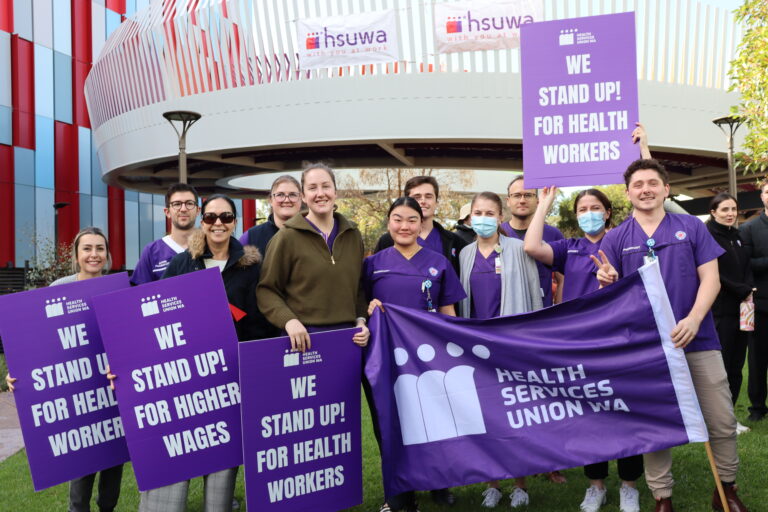
The efforts of HSU Members have led to these historic pay rises for Allied Health Professionals. Congratulations!